Blog
Mumbai’s Top SS Pipe Dealers & Manufacturers: A Detailed Guide

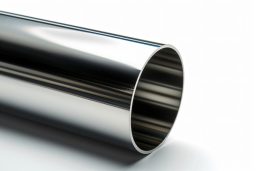
Mumbai, a city synonymous with rapid industrialization and economic dynamism, relies heavily on robust infrastructure and advanced materials.
At the core of many critical systems, from intricate manufacturing processes to essential utilities, lie stainless steel pipes. As one of the leading dealers of Stainless steel pipes in Mumbai since 1988, we have decoded nuances of these pipes, from their material composition and manufacturing types to the critical standards that govern their use.
The demand for high-quality Stainless Steel Pipes in Mumbai is a testament to their crucial role in ensuring operational integrity, safety, and longevity.
This guide delves into the world of stainless steel pipes, highlighting why they are the material of choice and how to navigate the market to find the best Manufacturers and Dealers in Mumbai, ensuring you secure the quality and performance your operations demand.
India’s stainless steel pipes and tubes market was valued at US$ 2.40 billion in 2025 and is expected to grow at a CAGR of 8.9% during the forecast period. Vertex Market Intelligence, 2025. This substantial market growth underscores the increasing reliance on these vital components across the nation.
The Indispensable Role of Stainless Steel Pipes in Mumbai’s Industries
Mumbai’s diverse industrial landscape, encompassing everything from heavy manufacturing and complex chemical plants to the highly regulated pharmaceutical and food processing sectors, necessitates materials that can withstand demanding conditions.
Stainless steel pipes have emerged as the preferred choice due to their inherent ability to resist degradation, maintain purity, and ensure the safe transport of various fluids and gases. The city’s status as a major economic hub in India means that the demand for reliable, high-performance piping solutions is constant and evolving.
Why Stainless Steel? Understanding Its Core Advantages
The science behind stainless steel’s durability: Chromium in the alloy forms a passive, self-healing oxide layer on the surface, providing exceptional corrosion resistance.
The widespread adoption of stainless steel pipes is driven by a compelling set of advantages that few other materials can match. At its heart, stainless steel derives its superior properties from the addition of chromium, which forms a passive, self-healing oxide layer on the surface.
This layer provides exceptional corrosion resistance, a critical factor in environments where aggressive chemicals, moisture, or saline conditions are prevalent. Beyond corrosion, stainless steel offers remarkable durability and longevity, minimizing the need for frequent replacements and reducing lifecycle costs.
Its non-reactive nature also ensures product purity, making it ideal for sensitive applications in pharmaceuticals and food processing where contamination is unacceptable. Furthermore, its inherent strength and resistance to high temperatures and pressures make it a versatile choice for a multitude of industrial processes.
Mumbai: A Dynamic Hub for Industrial Demands
Mumbai’s unique position as a major port city and its dense concentration of manufacturing, chemical, pharmaceutical, and technological industries create a vibrant and demanding market for high-quality materials.
The city’s growth is intrinsically linked to the reliability and efficiency of its industrial infrastructure. This demand fuels a consistent need for robust piping systems capable of handling diverse operational requirements, from the high pressures and corrosive substances found in the petrochemical sector to the stringent hygienic standards of the pharmaceuticals industry.
Consequently, Mumbai hosts a significant network of Stainless Steel Pipe Dealer Manufacturers including top brands like Jindal stainless steel brand catering to these specialized needs. Domestic stainless steel consumption has registered a growth of 84% over the last five years to reach 4.80 million tonnes in FY 2024-25. Indian Stainless Steel Development Association (ISSDA), 2025. This substantial increase in consumption directly translates to a robust market for stainless steel products, including pipes.
Decoding Stainless Steel Pipe Types: Seamless vs. Welded
The fundamental construction of a stainless steel pipe significantly influences its performance characteristics and suitability for various applications. Understanding the distinction between seamless and welded pipes is crucial for making an informed selection.
Seamless Stainless Steel Pipes: Purity, Strength, and High Performance
Seamless Pipes are manufactured without any welded seam. They are typically produced by piercing a solid billet of steel and then drawing or rolling it to the desired dimensions. This manufacturing process results in a pipe with uniform wall thickness, superior structural integrity, and exceptional strength.
The absence of a weld seam eliminates potential weak points, making seamless pipes ideal for high-pressure, high-temperature, and corrosive environments where leakage or failure is not an option. They are often preferred in critical applications within the petrochemical, oil and gas, and power generation sectors.
The global stainless steel seamless pipes market is expected to rise from roughly USD 3.37 billion in 2024 to over USD 5.15 billion by 2030, growing at around 5.8% CAGR. Industry Analysis, 2026.
Welded Stainless Steel Pipes: Versatility, Efficiency, and Broad Application
Welded Pipes are formed by rolling a flat steel strip into a cylindrical shape and then joining the edges using various welding techniques, such as Electric Resistance Welding (ERW) or high-frequency induction (HFI) welding. This method offers greater flexibility in terms of size and wall thickness and is often more cost-effective for standard applications.
Welded stainless steel pipes are widely used in general industrial applications, water supply, structural components, and less critical fluid transfer systems. While the weld seam is a point of consideration, modern welding technologies and rigorous quality control ensure that welded pipes meet stringent performance standards for many applications.
Special Pipe Formats for Specific Needs
Beyond the basic seamless and welded types, stainless steel pipes are also available in specialized formats. These can include pipes with specific surface finishes, such as polished finishes that reduce friction and improve hygiene, or pipes manufactured to meet unique dimensional requirements.
For applications involving extreme temperatures and corrosive media, certain grades of stainless steel, like those stabilized with titanium (e.g., 321) or niobium, are often used, sometimes involving specialized welding procedures to maintain their integrity.
Navigating Stainless Steel Grades: The Right Material for Every Application
The “stainless” nature of stainless steel is not a monolithic property; it varies significantly with different grades, each offering a unique balance of mechanical properties, corrosion resistance, and fabricability. Understanding these grades is key to selecting the optimal Stainless Steel Pipe for a given task.
Austenitic Grades: The Workhorses of Industry
Austenitic stainless steels are the most common and widely used types, characterized by their excellent corrosion resistance, formability, and weldability. Among these, 304L Pipes stands out as a highly versatile grade. It offers good resistance to atmospheric corrosion and many organic and inorganic chemicals.
Its lower carbon content makes it particularly suitable for welding, minimizing carbide precipitation and maintaining corrosion resistance in the heat-affected zone. This makes 304L an excellent choice for general manufacturing, food processing equipment, and architectural applications in Mumbai.
For environments demanding superior corrosion resistance, particularly against chlorides and acids, 316L is the preferred choice. The addition of molybdenum to the alloy significantly enhances its resistance to pitting and crevice corrosion.
This makes 316L pipes indispensable for applications in aggressive chemical processing, marine environments, and high-purity pharmaceuticals where the risk of contamination from corrosion byproducts is a concern. The duplex stainless steel pipe market in India is expected to reach a projected revenue of US$ 48.1 million by 2030, with a CAGR of 11.6% expected from 2025 to 2030. Grand View Research, 2024. This highlights the growing demand for specialized grades that offer enhanced performance.
Beyond Austenitic: Specialty Stainless Steel Grades & Nickel Alloys for Extreme Conditions
While austenitic grades cover a vast majority of applications, certain industries face exceptionally challenging conditions that necessitate specialty stainless steel grades or even nickel alloys.
Grades like 904L, for instance, offer superior resistance to sulfuric acid and other aggressive media, finding use in specific chemical processing plants. For applications involving extremely high temperatures or a combination of high temperature and corrosive environments, stabilized grades like 321 or 347 are employed. These grades contain titanium or columbium, respectively, which act as stabilizing elements to prevent sensitization during high-temperature exposure, thereby preserving their corrosion resistance.
Essential Specifications and Standards for SS Pipe Procurement
Procuring Stainless Steel Pipes requires a thorough understanding of various specifications and standards that dictate their dimensions, pressure ratings, and material properties. Adhering to these standards ensures product quality, safety, and interoperability.
Understanding Pipe Dimensions: Outer Diameter, Wall Thickness, and Nominal Bore
When specifying stainless steel pipes, three key dimensions are critical: Outer Diameter (OD), Wall Thickness (WT), and Nominal Bore (NB). The OD is the external measurement of the pipe, while the WT refers to the thickness of the pipe wall.
The Nominal Bore (NB), also known as Nominal Pipe Size (NPS) in the US system, is a standard designation related to the internal diameter, though not an exact measurement itself. It serves as a reference for pipe sizing and compatibility within piping systems. Understanding how these dimensions interrelate is vital for ensuring that pipes fit correctly into flanges, valves, and other system components.
The Schedule System: Pressure Rating and Its Impact on Pipe Selection
The Schedule system, commonly denoted as SCH, is an integral part of pipe specification, particularly in relation to wall thickness and pressure rating. Schedules (e.g., SCH 10, SCH 40, SCH 80, SCH XS, SCH XXS) define the wall thickness for a given nominal pipe size.
A higher schedule number indicates a thicker pipe wall, which translates to a higher pressure rating. For instance, SCH 40 denotes a standard wall thickness, while SCH 80 signifies a heavier wall.
Selecting the appropriate schedule is crucial for safety, as it directly correlates to the pipe’s ability to withstand the internal pressures of the fluid or gas being transported. This is a critical consideration for systems in the petrochemical and hydraulic control industries.
Adherence to Global Standards: ASTM, ASME, EN, DIN, and ISO
Quality and reliability in Stainless Steel Pipe manufacturing are assured through adherence to internationally recognized standards. ASTM (American Society for Testing and Materials) standards are paramount, with ASTM A312 being the most widely referenced specification for seamless and welded austenitic stainless steel pipes.
This standard covers chemical composition, mechanical properties, dimensions, testing requirements, and marking. ASME (American Society of Mechanical Engineers) standards, such as ASME B36.10M and B36.19M, are also crucial for pipe dimensions and pressure ratings, often used in conjunction with ASTM specifications.
Other international standards like EN (European Norm), DIN (Deutsches Institut für Normung), and ISO (International Organization for Standardization) are also relevant, depending on the specific application and region of use. Ensuring that pipes meet these stringent standards guarantees their performance and safety.
Industry-Specific Applications: Tailoring SS Pipes to Mumbai’s Diverse Needs
Mumbai’s industrial prowess is built upon a foundation of specialized sectors, each with unique requirements that stainless steel pipes are expertly designed to meet. The choice of pipe type, grade, and specification is critical for optimal performance and safety in these varied applications.
Petrochemical and Oil & Gas Industry Steel Pipes
In the demanding petrochemical and oil and gas sectors, Stainless Steel Pipes are essential for their ability to withstand high temperatures, extreme pressures, and corrosive media like crude oil, natural gas, and various chemicals. Grades like 304L and 316L are commonly used, with higher alloyed grades or duplex stainless steels employed for more aggressive environments. The integrity of seamless pipes is often preferred here for critical high-pressure applications, ensuring absolute reliability.
Pharmaceutical and Food Processing Industries Steel Pipes
Hygiene, purity, and corrosion resistance are paramount in the pharmaceuticals and food processing industries. Stainless Steel Pipes, particularly grades like 304L and 316L, are ideal due to their smooth surfaces (often polished or electropolished), non-reactive nature, and ease of cleaning.
These pipes prevent product contamination and are resistant to cleaning agents and sanitizers. The India Stainless Steel Plumbing Pipes and Fittings Market size in 2026 is estimated at USD 0.91 billion, growing from 2025 value of USD 0.87 billion with 2031 projections showing USD 1.13 billion, growing at 4.42% CAGR over 2026-2031. Mordor Intelligence, 2026. This market segment, which includes applications in food and beverage processing, highlights the broad utility of stainless steel.
Power Generation and Heat Exchangers Steel Pipes
In power generation facilities, stainless steel pipes are utilized in various components, including boilers, turbines, and heat exchangers. Their resistance to high temperatures and corrosive environments, especially steam and cooling water, makes them durable and efficient. Specific grades are chosen based on the operating temperatures and the nature of the fluids being handled to ensure longevity and prevent premature failure.
Chemical Processing Companies Steel Pipes
The chemical industry presents some of the most challenging environments for piping materials. Stainless Steel Pipes, especially those made from 316L and higher-alloyed grades like 904L, are crucial for their exceptional corrosion resistance against a wide array of acids, alkalis, and solvents. The selection of the appropriate grade and specification is critical for ensuring safety, preventing costly leaks, and maintaining process purity.
Water Treatment and Utilities Steel Pipes
For water treatment plants and general utility services, stainless steel pipes offer a long-term, low-maintenance solution. Their inherent corrosion resistance ensures they do not degrade in contact with water, preventing contamination and maintaining water quality. They are also resistant to the chemicals used in water purification processes.
Hydraulic Control Applications and Pressure-Related Systems Steel Pipes
In hydraulic systems and other pressure-related applications, the strength and reliability of Stainless Steel Seamless Pipe are paramount. The precise dimensions and consistent wall thickness of seamless pipes ensure they can safely handle high pressures without the risk of rupture. The selection of the correct Schedule is particularly important in these systems to match the operational pressure requirements.
Choosing Mumbai’s Top SS Pipe Dealers & Manufacturers: A Buyer’s Guide
Navigating the market to find the right Stainless Steel Pipe Dealers and Manufacturers in Mumbai requires careful consideration of several key factors. The city boasts numerous suppliers, but quality, reliability, and service can vary significantly.
Key Criteria for Supplier Selection
When selecting a supplier, prioritize those with a proven track record of supplying high-quality Stainless Steel Pipes. Look for Manufacturers and Dealers who can provide material traceability, ensuring that the pipes meet all specified standards, such as ASTM A312.
A comprehensive product range, including various grades (e.g., 304L, 316L) and types (Seamless Pipes, Welded Pipes), is beneficial. Excellent customer service, technical support, and the ability to provide detailed product documentation, including Mill Test Certificates (MTCs), are also crucial indicators of a reliable supplier. Competitive pricing should be a consideration, but it should never compromise quality.
Value-Added Services Offered by Top Suppliers
The best suppliers often go beyond simply supplying pipes. They offer value-added services that can streamline your procurement process and ensure your project’s success.
These services might include custom cutting and fabrication, end preparation like beveling or threading, specialized packaging, and efficient logistics for timely delivery across Mumbai and beyond. Some suppliers also provide expert consultation to help you select the most appropriate pipe grade, type, and specification for your specific application, thereby preventing costly errors and ensuring optimal performance.
Ensuring Reliability: Quality Control and Comprehensive Testing
The integrity of Stainless Steel Pipes is non-negotiable, especially in critical industrial applications. Reputable Manufacturers and Dealers invest heavily in robust quality control measures and rigorous testing protocols to guarantee that their products meet the highest standards.
Rigorous Material Testing and Inspection
Comprehensive testing is fundamental to ensuring the quality of stainless steel pipes. This typically includes chemical analysis to verify the alloy composition, mechanical testing to confirm tensile strength, yield strength, and elongation properties, and hydrostatic testing to ensure the pipe can withstand internal pressure without leakage.
Non-destructive testing methods, such as ultrasonic testing (UT) or eddy current testing, are often employed to detect any internal or surface defects without damaging the pipe. These stringent tests, particularly for ASTM A312 compliant pipes, are vital for guaranteeing performance.
Adherence to Quality Certifications and Documentation
Reliable suppliers will readily provide documentation that proves the quality and compliance of their Stainless Steel Pipes. This includes Mill Test Certificates (MTCs), which detail the chemical and mechanical properties of the specific batch of material, and other quality certifications such as ISO 9001, demonstrating a commitment to consistent quality management systems.
For welded pipes, documentation related to welding procedures and non-destructive examination of the welds is also important. This transparent documentation process builds trust and assures buyers that they are receiving products that meet all specified requirements.
Conclusion: Your Strategic Partner for Quality SS Pipes in Mumbai
In the dynamic industrial landscape of Mumbai, securing high-quality Stainless Steel Pipes is not merely a procurement task but a strategic decision that impacts operational efficiency, safety, and long-term success.
From understanding the core advantages of stainless steel and the differences between Seamless Pipes and Welded Pipes, to navigating complex specifications like ASTM A312 and ASME standards, the selection process requires informed expertise. The diverse needs of Mumbai’s industries, from the demanding petrochemical sector to the precise requirements of pharmaceuticals, highlight the critical role of choosing the right pipe grade, such as 304L, and the correct Schedule.
Why Trust Madras Steels as a Reliable Stainless Steel Pipe Supplier
Consult & Buy:
We supply ASTM A312 stainless steel pipes (304, 316, 321) for chemical, food, and pharma industries. Available as Seamless or Welded, with surface finishes — pickled, polished, or mirror.
Lock Tests:
We ensure 100% PT for welds, hydro testing, and PMI for alloy verification and surface quality.
Specify Coating/Lining:
Pipes are bare or pickled-passivated, not painted or coated,and protected with PE wrap or sleeves.
Audit-Ready Documents:
We provide MTCs, PMI certificates, surface finish reports, and traceability documents by batch.
Logistics & Handling:
We handle using nylon belts only, avoiding carbon steel contact, and store on rubber-lined racks.
About Madras Steels and Tubes
Madras Steels and Tubes are the leading industrial steel pipe dealers with pan-India presence across major cities India including Mumbai, Chennai, Delhi, Bangalore and Kolkata delivering engineering solutions since 1988.
For any queries or feedback, please call us at 88255 12356 or mail us at ayush@madrassteels.in
Last updated as on Feb 20th, 2026