





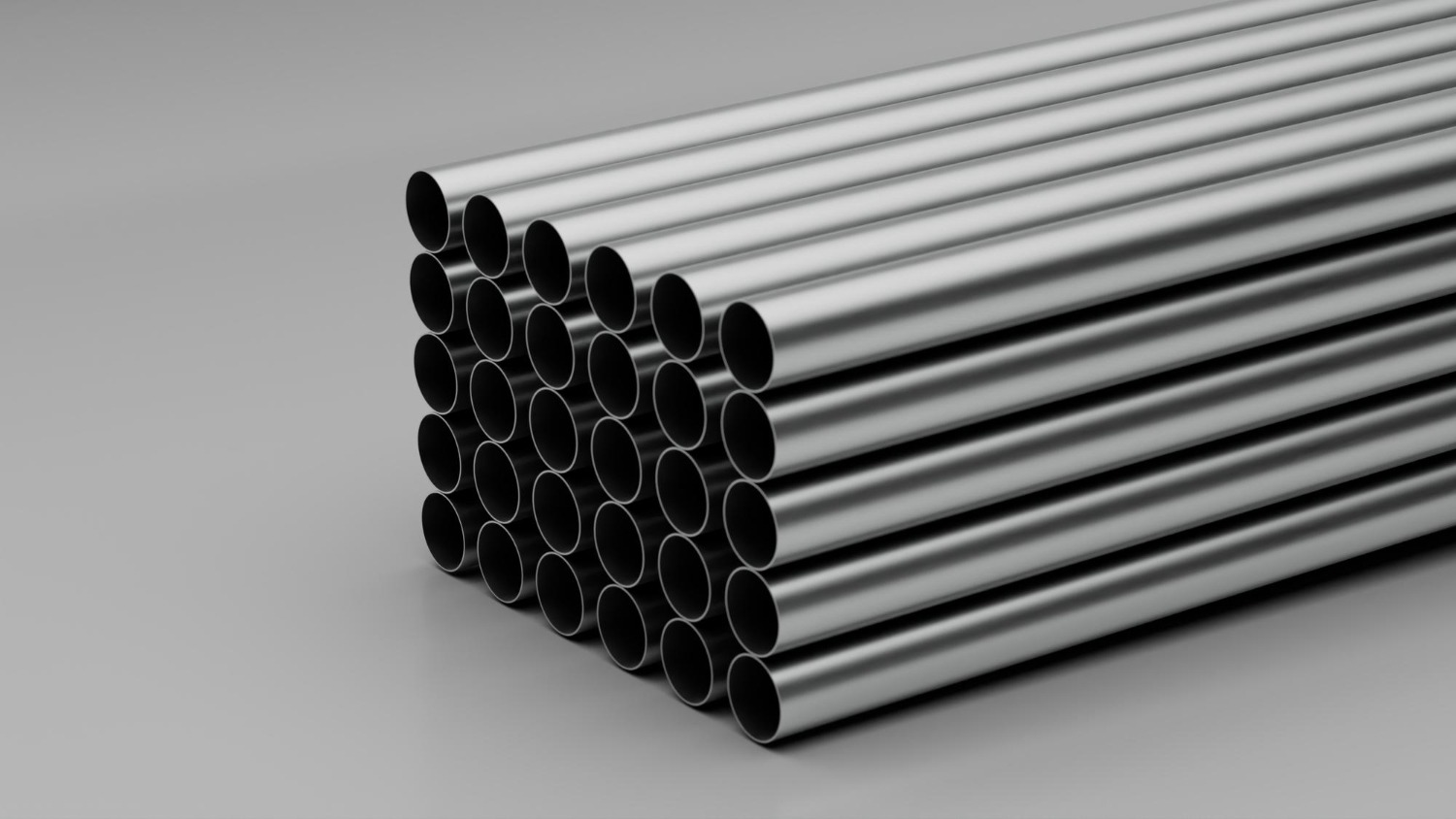
MS (Mild Steel) pipes are among the most widely used industrial pipes in India due to their strength, availability, cost-effectiveness, and fabrication flexibility.
However, confusion often arises because MS pipes are classified in multiple ways—by manufacturing process, coating, shape, thickness, and standards.
This guide breaks down each type clearly, helps you choose the right MS pipe supplier, and highlights what to check before purchasing, so you avoid costly mistakes on-site.
1. Types of MS Pipes by Manufacturing Method
MS ERW Pipes (Electric Resistance Welded)
What it is
ERW pipes are manufactured by forming steel strips into a round shape and welding the seam using electric resistance.
Key characteristics
- Straight longitudinal weld seam
- Uniform wall thickness
- Cost-effective and widely available
Typical applications
- Water pipelines
- Structural frameworks
- Scaffolding
- Firefighting lines (with proper class)
- Low to medium pressure services
Why buyers choose ERW
- Best balance of price + availability
- Easy to source across India
- Accepted in most civil and industrial projects
Pain point to watch
- Weld quality varies by manufacturer → always check hydro test + mill test certificate (MTC)
MS HFIW Pipes (High Frequency Induction Welded)
What it is
An advanced form of ERW, using high-frequency induction welding, resulting in a stronger, cleaner weld.
Key characteristics
- Better weld integrity than standard ERW
- Used where reliability matters
- Common in branded pipes (e.g., Jindal)
Applications
- Industrial water lines
- Structural & load-bearing applications
- Medium-pressure pipelines
Why engineers prefer HFIW
- Consistent mechanical properties
- Better acceptance in quality-critical projects
MS Seamless Pipes
What it is
Manufactured without any weld seam, formed from solid billets.
Key characteristics
- Highest strength
- Uniform grain structure
- Handles high pressure and temperature
Applications
- Oil & gas
- Steam lines
- Boilers
- High-pressure process lines
Reality check
- Costlier than ERW/HFIW
- Over-specification is common in India (used where ERW would suffice)
Engineer’s tip
Use seamless only where pressure, temperature, or code compliance truly demands it.
Spiral Welded MS Pipes
What it is
Steel strip is welded in a spiral pattern, allowing large diameters.
Applications
- Water transmission lines
- Large-diameter pipelines
- Infrastructure projects
Pros
- Large sizes available
- Cost-effective for big diameters
Cons
- Not preferred for high-pressure applications
- Limited use in industrial piping
2. Types of MS Pipes by Coating / Finish
MS Black Pipes
What it is
- Plain MS pipe with light oil coating to prevent rust during storage
Applications
- Structural works
- Fabrication
- Internal piping in dry environments
Key point
- Cheapest MS pipe
- Not corrosion-resistant
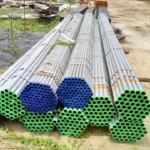
Galvanized (GI) MS Pipes
What it is
- MS pipe coated with zinc (hot-dip or pre-galvanized)
Applications
- Water supply
- Fencing
- Outdoor pipelines
Pros
- Good corrosion resistance
- Long service life in open environments
Caution
- Zinc coating thickness matters—cheap GI pipes fail early
Epoxy Coated / Epoxy Lined MS Pipes
What it is
- MS pipe coated internally, externally, or both with epoxy
Applications
- Drinking water pipelines
- Chemical lines
- Firefighting systems
- Corrosive environments
Why industries choose epoxy
- Corrosion protection
- Smooth internal flow
- Longer life cycle
Purchase tip
Ask for coating thickness (microns) and coating standard—many suppliers cut corners here.
Cement Lined MS Pipes
What it is
- Internal cement mortar lining
Applications
- Water transmission
- Municipal pipelines
Advantage
- Prevents internal corrosion
- Economical for large water projects
Types of MS Pipes by Shape
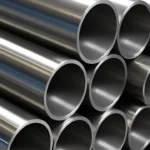
Round MS Pipes
- Fluid and gas transport
- Structural columns
- Industrial piping
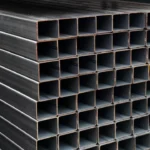
Square & Rectangular MS Pipes (Hollow Sections)
- Fabrication
- Furniture
- Structural frames
- Railings and sheds
MS Conduit Pipes
- Thin-walled
- Electrical wiring protection
Types of MS Pipes by Class (Thickness)
(As per IS 1239)
| Class | Thickness | Typical Use |
| Class A | Light | Domestic plumbing |
| Class B | Medium | Industrial plumbing |
| Class C | Heavy | Firefighting, high-pressure lines |
Common mistake in India
- Contractors quoting Class A price but supplying lower thickness → always measure OD & thickness.
What are the common material grades & standards used for MS pipes
Common standards used in India:
- IS 1239 – General purpose
- IS 3589 – Water, sewerage
- ASTM A53 / A106 Gr. B – Industrial & oil/gas
- EN standards – Export or MNC projects
Engineer’s insight
Grade selection affects pressure rating, weldability, and long-term reliability.
How to Choose the Right MS Pipe Supplier (India-Specific)
When sourcing MS pipes, supplier capability matters as much as the product.
Checklist for a reliable MS pipe supplier:
✔ Authorized dealer of reputed brands
✔ Provides Mill Test Certificate (MTC)
✔ Consistent OD & thickness (no under-weight pipes)
✔ Can supply custom lengths, coatings, and bulk orders
✔ Transparent pricing (no hidden grade substitution)
✔ Proper storage to prevent rust damage
Red flags
- Unusually low price
- No documentation
- Vague answers about coating or grade
Additional Things to Know Before Purchasing MS Pipes
- Know your application clearly
- Pressure?
- Environment (indoor/outdoor/corrosive)?
- Code requirement?
- Don’t over-specify
- Seamless isn’t always better
- Thicker ≠ smarter
- Check logistics
- Handling damage is common
- Ensure proper packing for coated pipes
- Total cost matters
- Cheap pipe + early failure = expensive project
Why MS Pipes are so Popular in Industrial Use
Excellent strength-to-cost ratio
Easy to fabricate, weld, bend
Widely available across India
Accepted across industries
Flexible with coatings and finishes
That’s why MS pipes dominate:
- Power plants
- Refineries
- Infrastructure
- Manufacturing units
- Firefighting & water systems
Substitutes for MS Pipes (When to Consider Them)
| Substitute | When to Use |
| Stainless Steel | Corrosive / hygienic environments |
| HDPE | Underground water lines |
| CPVC / UPVC | Low-pressure plumbing |
| Ductile Iron | Municipal water networks |
| Alloy Steel | High-temperature services |
Reality
MS pipes remain the default choice unless a specific limitation forces a substitute.
When handling and delivering MS (Mild Steel) pipes, most problems don’t come from the pipe itself—but from how it is handled, bundled, coated, transported, and unloaded. In industrial supply (especially for ERW / IS 3589 / coated pipes), these pain points directly affect customer complaints, rejections, and repeat orders.
What are the key Challenges faced in MS Pipe Procurement
Surface Finish–Related Pain Points
Common issues
- Scratches, scuff marks, and abrasions
- Denting or ovality at pipe ends
- Rust formation before installation
- Weld seam damage (ERW pipes)
Root causes
- Dragging pipes instead of lifting
- Chain slings, hooks, or bare forklift forks
- Metal-to-metal contact during stacking
- Storage directly on ground without supports
Business impact
- Visual rejection at site
- Poor coating adhesion
- Reduced perceived quality
Coating Damage (Black / Epoxy / Painted / Galvanized)
Common issues
- Epoxy coating chipping or peeling
- Zinc layer damage in GI pipes
- Uneven coating thickness exposure
- White rust formation in galvanized pipes
Root causes
- No rubber or wooden spacers between pipes
- Forklift or crane contact on coated surface
- Lack of end caps damaging internal coating
- Over-stacking or incorrect bundle placement
Business impact
- Reduced corrosion protection
- Recoating or touch-up costs
- Serious concern in water, fire, and industrial lines
Bundling & Packaging Challenges
Common issues
- Loose or uneven bundles
- Strap breakage during transit
- Bundle deformation (bending effect)
- Mixing of different sizes or wall thicknesses
Root causes
- Improper strapping material
- Incorrect bundle weight calculation
- Over-tightening straps on thin pipes
- Absence of wooden battens or separators
Business impact
- Handling difficulty at site
- Measurement disputes
- Safety risks during unloading
Handling & Loading Issues
Common issues
- Point loading causing dents
- Pipes rolling during unloading
- Damage during last-mile handling
- Unsafe unloading practices
Root causes
- Untrained labor
- Use of hooks instead of nylon slings
- No spreader bars for long pipes
- Speed-focused loading without SOPs
Business impact
- Transit damage blamed on supplier
- Increased claims and replacements
- Loss of repeat business
Transportation & Logistics Risks
Common issues
- Water ingress and rain exposure
- Vibration damage on long routes
- Edge and end damage near truck borders
- Mixing pipes with sharp-edged materials
Root causes
- Open trucks without tarpaulin
- No wooden runners or blocking
- Improper load distribution
- Long transit without inspection checks
Business impact
- Rusting before installation
- Project delays
- Reduced trust in delivery reliability
Measurement, Grade & Documentation Gaps
Common issues
- Length and thickness tolerance confusion
- Grade mismatch (Fe 310 vs Fe 410)
- Missing or incorrect MTC / TC
- No coating DFT or inspection reports
Root causes
- Mixed bundles without tags
- Manual errors in dispatch documentation
- Lack of traceability per bundle
Business impact
- QA/QC rejection
- Payment hold-ups
- Approval delays at project sites
Storage at Customer Site (Often Ignored)
Common issues
- Pipes stored directly on soil
- Water accumulation inside pipes
- Coating damage due to improper stacking
- Exposure to chemicals or salts
Root causes
- No handling instructions shared
- Lack of storage SOP awareness
- Site space constraints
Business impact
- Premature corrosion
- Supplier blamed for site-level issues
Expectation vs Reality Gap
Typical complaints
- Finish is not good
- Coating got damaged during unloading
- Bundles were not proper
- Pipes rusted before use
Root cause
Lack of clear pre-dispatch communication on handling, storage, and transit limitations.
Therefore, it is vital to cross-check the various attributes of the end-to-end delivery and usage of MS pipes, making it even more important to choose the right supplier with the expertise to handle and deliver them appropriately.
About Madras Steels
Madras Steels & Tubes is one of India’s trusted MS steel pipe suppliers, operating since 1988. We deliver products from top brands like TATA and Jindal, ensuring quality and reliability.
Why Choose Us?
- Pan-India Presence — Chennai, Bangalore, Mumbai, Delhi & Kolkata
- Certified Quality – BIS, ISO, API-compliant pipes
- Diverse Product Range – Seamless, ERW, GI, and structural pipes
For bulk orders and industrial inquiries, contact us @ 88255 12356. You can contact our respective branches for any of your MS pipe needs or queries.
MS piping solutions in Chennai
MS piping solutions in Bangalore
MS piping solutions in Mumbai
MS piping solutions in Delhi
MS piping solutions in Kolkata
Conclusion: Buying MS Pipes the Smart Way
For contractors, engineers, and purchase managers, MS pipes are not just a commodity—they are a critical project component.
The right approach is:
- Understand type + class + coating
- Avoid over- or under-specification
- Choose a reliable, transparent supplier
- Focus on life-cycle cost, not just per-kg price
In Indian conditions—where quality varies widely—knowledge is your strongest tool when buying MS pipes.
Last updated as on Dec 12th 2025